Floral Foliage Wedding Invitation: Crafting Botanical Elegance
There’s a particular kind of magic in receiving a wedding invitation that feels like a breath of fresh air. The Floral Foliage Wedding Invitation style does exactly that—it translates the romance of a garden into a tangible keepsake. This isn’t just about slapping a few flowers onto paper; it’s about creating a cohesive visual language that whispers of love, growth, and celebration. For designers and creators, understanding how to leverage these botanical elements is key to crafting stationery that resonates deeply with couples and their guests.
The Anatomy of Botanical Ornamentation
At its heart, this style is built on layers of natural beauty. The most compelling designs balance three core components to avoid looking cluttered or generic.
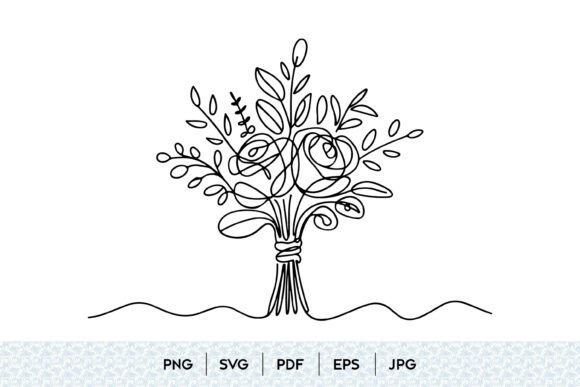
- Delicate Blooms and Blossoms: These are the focal points. Think of a rose for timeless love, a peony for prosperity and romance, or a lily for purity. The way these flowers are rendered—whether with soft watercolor washes, crisp line art, or textured botanical illustrations—sets the entire mood. A cascade of peonies down the side of an invitation creates movement, while a single, perfectly drawn rosebud centered at the top offers classic sophistication.
- Lush Foliage and Greenery: This is what gives the design depth and prevents it from feeling flat. Eucalyptus leaves, with their muted blue-green tones, add a modern, organic feel. Fern fronds bring intricate, feathery texture, and ivy vines can be used to frame text or create elegant borders. This greenery acts as the connective tissue, weaving the blooms together and grounding the design in a naturalistic palette.
- Botanical Accents and Flourishes: The details matter. A few berries tucked among leaves, unopened buds suggesting new beginnings, or delicate tendrils curling around a corner—these small elements add a layer of whimsy and handcrafted artistry. They reward closer inspection and make the design feel unique and intentional.
Beyond the Envelope: Strategic Applications
While the primary application is clear, the principles of Floral Foliage Wedding Invitation design offer a masterclass in using organic motifs for broader creative projects. The style’s personality—elegant, romantic, and timeless—makes it incredibly versatile.
In brand identity for boutique businesses—think florists, wedding planners, artisanal bakeries, or luxury spas—these motifs can form the backbone of a logo or a suite of design assets. They communicate care, quality, and a connection to nature. For editorial design, such as magazine layouts or book covers for romance or lifestyle genres, botanical borders and spot illustrations add a touch of classic beauty. In packaging design, especially for cosmetics, teas, or gourmet foods, foliage patterns suggest purity and premium ingredients.
Digitally, this aesthetic translates beautifully to social media graphics for engagement announcements, wedding vendor portfolios, or lifestyle brands. It creates a cohesive and inviting visual feed. The key is to adapt the density and style of the ornamentation to the medium. A busy, all-over pattern might overwhelm a small social media post but could be stunning on a wedding website hero banner.
Practical Guidance for Designers and Creators
Incorporating this style effectively requires more than just finding a pretty image. Here’s how to approach it with professional rigor.
- Evaluate the Project’s Core Personality: First, determine if the project’s essence aligns with this aesthetic. A Floral Foliage style is perfect for themes of romance, vintage charm, natural elegance, or bohemian grace. It might clash with projects aiming for ultra-modern minimalism, stark industrialism, or high-energy tech futurism. The ornamentation should enhance, not contradict, the core message.
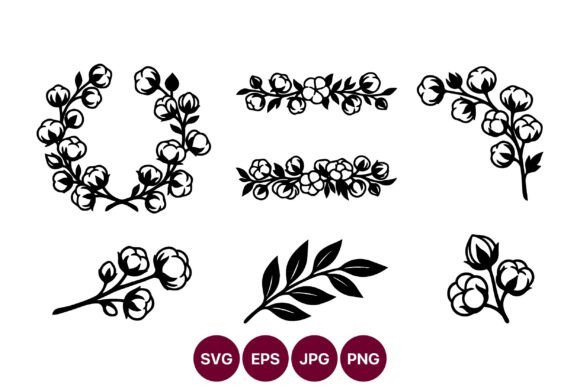
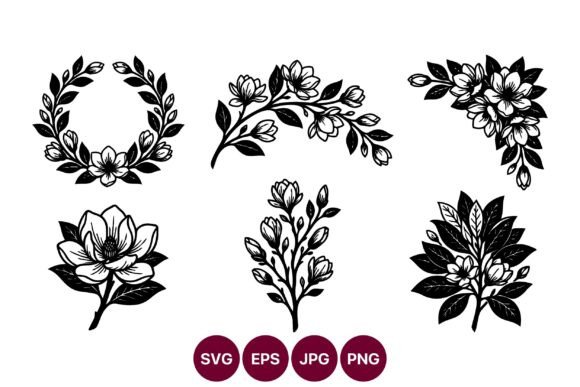
- Source or Create with Intention: You can source premium font and illustration bundles from foundries or marketplaces, or commission custom artwork. When choosing, look for variety: a good set will include standalone blooms, horizontal and vertical swags, corner pieces, and seamless patterns. This gives you flexibility in layout design.
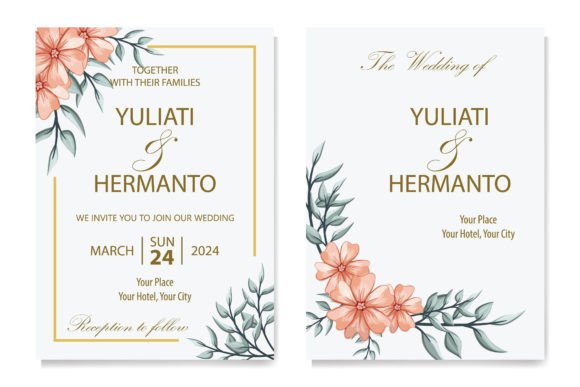
- Master Font Pairing: The floral elements are the star, so typography must play a supporting role. A delicate script font or a refined serif font often pairs best, echoing the elegance of the motifs. Avoid overly bold or geometric sans serif fonts that can fight with the organic shapes. Always test how the text interacts with the illustrations—ensure readability isn’t compromised by busy backgrounds. Use the foliage to frame text, not obscure it.
- Consider Color and Texture: Move beyond simple black-and-white line art. Consider soft, muted color palettes (sage greens, blush pinks, dusty blues) for a romantic feel, or opt for rich, deep jewel tones for a more opulent look. The texture of the illustration—whether it looks like watercolor, ink, or gouache—adds another layer of tactile appeal, even in digital formats.
- Mind the Commercial License: If this is for a client project or a product you plan to sell (like templates on Etsy), you must ensure you have the correct commercial license for any design assets you use. This is non-negotiable for professional practice. Reputable foundries and marketplaces are clear about licensing terms for their creative fonts and graphics.
Ultimately, the Floral Foliage Wedding Invitation style is a testament to the power of nature-inspired design. It’s a typeface for the soul—communicating warmth, care, and timeless beauty. By treating these botanical elements as a strategic component of your visual toolkit, you can elevate projects from merely attractive to truly memorable, forging a deeper connection with any audience that appreciates the romance of a well-tended garden.