Floral Art Brushes Line Art: A Designer's Botanical Sketch Tool
Capturing the delicate essence of a petal or the structured form of a vase often requires a tool that balances artistic flair with technical precision. Floral Art Brushes Line Art provides exactly that balance, functioning as a versatile digital asset for creatives who need organic, hand-drawn aesthetics without the mess of physical ink. This collection isn't just about static images; it is a curated set of vector elements designed to bring a natural, human touch to modern projects. The visual personality here is distinctly minimalist yet detailed, relying on a continuous line technique that suggests movement and growth. The appeal lies in its ability to look handmade but remain completely scalable and editable, a crucial requirement for professional design work.
The Aesthetic of the Continuous Line
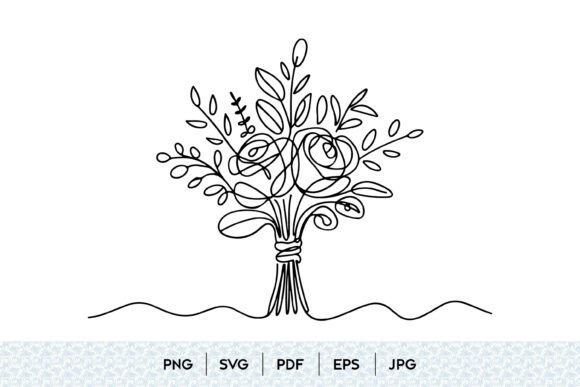
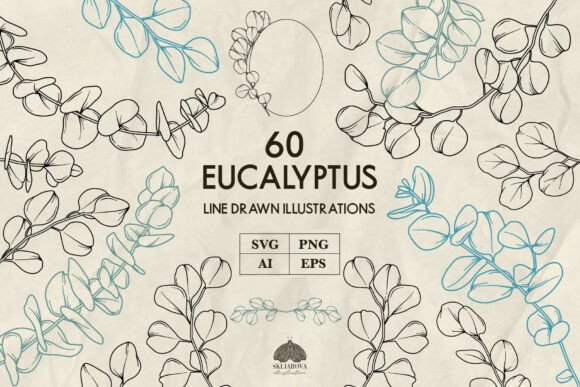
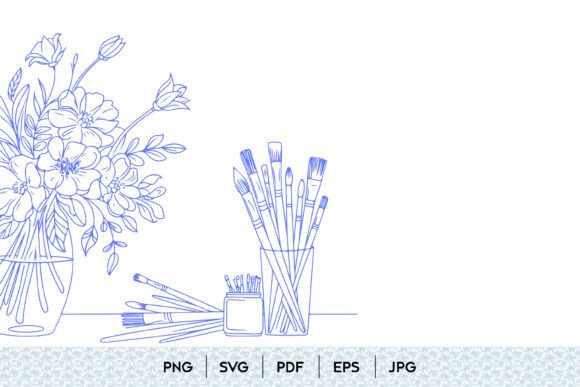
Visually, this collection relies on a "blue line" sketch aesthetic that mimics the look of an artist's preliminary drawing or a refined ink illustration. It avoids heavy shading or complex color gradients, focusing instead on clean contours and negative space. This approach gives the Floral Art Brushes Line Art set a modern, airy feel that fits well with contemporary design trends favoring simplicity and whitespace. The illustrations are not overly literal; they possess a stylized quality that makes them feel artistic rather than like standard stock photography.
The structure of the artwork is particularly interesting because it bridges the gap between botanical illustration and abstract art. You will notice the influence of real art tools—the texture of a paintbrush or a drafting pen is visible in the strokes. This makes the assets feel tactile. For a designer, this means you can introduce a sense of craftsmanship into digital layouts. Whether you are working with the SVG files for infinite scaling or using the PNG files with transparent backgrounds for quick mockups, the integrity of those brush strokes remains intact.
Practical Applications for Modern Creators
Understanding where to deploy these assets is key to maximizing their value. Because the style is a minimalist outline, it does not compete aggressively with text or photography. This makes it an excellent supporting character in a visual composition. Here are some specific scenarios where this style excels:
- Branding and Logo Design: If you are building an identity for a wellness brand, a florist, a stationery shop, or a boutique agency, these outlines can serve as the foundation for a logo element. The contour drawing style ensures the logo remains legible even when scaled down to a favicon or a small stamp.
- Editorial and Publishing: For bloggers and publishers, white space is valuable real estate. Using these floral design elements as chapter breaks, margin decorations, or header art adds visual interest without cluttering the page. It works exceptionally well in editorial design for magazines or lookbooks.
- Packaging and Surface Design: The continuous line art is perfect for packaging design. Imagine a coffee bag, a soap box, or a candle label featuring a delicate botanical sketch. The EPS and PDF formats included ensure high-resolution printing for crisp, professional results.
- Digital and Social Media: Content creators can use these illustrations as overlays on Instagram stories, backgrounds for quote graphics, or decorative elements in digital planners. The modern illustration vibe appeals to audiences who appreciate aesthetic cohesion.
Influence on Brand Perception and Visual Hierarchy
The choice of graphic elements in a project sends a subconscious message to the viewer. Utilizing Floral Art Brushes Line Art communicates a specific set of values: attention to detail, appreciation for nature, and a preference for understated elegance. In brand identity, consistency is king. By using a cohesive set of design assets derived from this style, you create a recognizable visual language.
From a technical standpoint, these line drawings are excellent for establishing visual hierarchy. Because they are outlines rather than solid blocks of color, they sit back in the composition, allowing typography to take the lead. However, their artistic nature draws the eye, creating a path for the reader to follow. This balance helps in web design and print layouts where you need to guide the user's attention without overwhelming them with heavy graphics.
Technical Integration and File Formats
One of the practical advantages of this collection is the variety of file formats provided. Having access to SVG (Scalable Vector Graphics) is a massive time-saver for web developers and UI designers, as these files load quickly and scale perfectly on any screen resolution. For print designers, the EPS and PDF vectors allow for manipulation in Adobe Illustrator or CorelDRAW without pixelation.
The PNG files are particularly useful for those who may not have advanced vector editing software. You can drag and drop these directly into Canva, Photoshop, or Procreate. The JPG versions serve well for mood boards or background textures. This multi-format approach ensures that whether you are a professional graphic designer or a hobbyist working on a craft project, the assets are immediately usable.
Selecting the Right Elements for Your Project
When working with a library of illustrations like this, curation is just as important as the art itself. Not every image will fit every project. Here is a practical guide to evaluating the fit:
- Evaluate the "Weight": Look at the thickness of the lines. If your project uses a bold, heavy sans serif font, you might need to scale up the illustrations or group them together so they don't look lost. Conversely, if you are using a delicate script font, the line art will likely pair perfectly.
- Consider the Context: A vase with flowers implies a still-life setting, suitable for interior design blogs or home goods stores. A single bloom might be better for a wedding invitation or a jewelry brand. Select the specific botanical elements that tell the right story.
- Test for Readability: If you are placing text over the top of the illustrations, ensure the line art is light enough (perhaps a light blue or grey) so it doesn't clash with the black text. Alternatively, use the illustrations as a background watermark behind a solid text box.
Ultimately, Floral Art Brushes Line Art serves as a bridge between the raw beauty of nature and the structured needs of digital design. It allows entrepreneurs, marketers, and creatives to inject a sense of organic life into their work without sacrificing professionalism or scalability. By treating these assets as a core part of your design toolkit, you can elevate the quality of your visual communication across all mediums.