Timeless Charm: Using Vintage French Advertisements Overlays
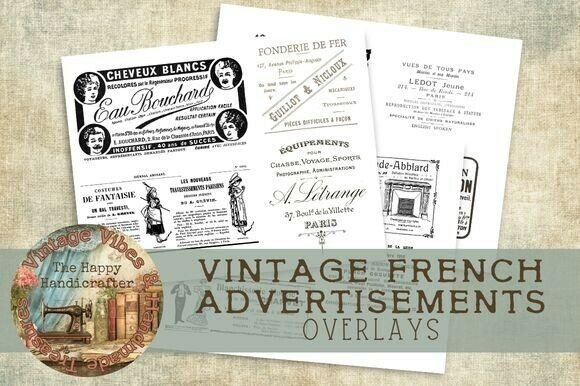
Capturing the essence of a bygone era in modern design requires more than just a sepia filter; it demands authentic texture and historical depth. The Vintage French Advertisements Overlays collection offers a direct portal to the romance of old Parisian print shops, providing creatives with a powerful tool to add instant heritage to their work. This set of 19 transparent PNG files is designed to bridge the gap between contemporary digital precision and the imperfect beauty of antique typography. By utilizing these overlays, you aren't just adding an image to your canvas; you are layering history onto your digital assets.
Anatomy of Authenticity: Visual Characteristics and Style
Understanding the visual language of this collection is key to using it effectively. Unlike modern vector graphics that often feel sterile, these overlays embrace the organic nature of old media. The collection features a mix of ornate borders, decorative typography, and newspaper-style headings that mimic the look of 19th-century advertising.
The "personality" of these assets is distinctly nostalgic yet versatile. You will find elements that resemble vintage serif typefaces—think Didone style fonts with high contrast between thick and thin strokes—alongside decorative elements that feel hand-carved. The texture is paramount; these files capture the grain of old paper, the bleed of vintage ink, and the subtle imperfections that give analog media its soul. This aesthetic is perfect for projects that need to convey elegance, history, and sophistication without relying on generic stock photography.
Strategic Applications: Where These Overlays Shine
The versatility of the Vintage French Advertisements Overlays extends far beyond simple scrapbooking. For graphic designers and brand strategists, these assets serve as a foundation for creating a unique brand identity. Imagine a coffee roaster or a boutique bakery looking to establish a sense of tradition; layering these ornate borders onto packaging mockups or menu designs instantly communicates quality and time-honored craftsmanship.
In the realm of editorial design and publishing, these overlays can transform a flat layout into a tactile experience. They work exceptionally well for:
- Romantic Papers & Stationery: Creating backgrounds for wedding invitations, vow books, or romantic greeting cards where a French aesthetic is desired.
- Botanical Backgrounds: Pairing the grunge texture of the overlays with modern floral photography to create a "cottagecore" or garden-style visual.
- Social Media Graphics: Adding depth to Instagram stories or Pinterest pins, particularly for accounts focused on history, literature, or vintage fashion.
- Web Design: Using the transparent PNGs as subtle background textures on landing pages to break up solid blocks of color and add visual interest.
Enhancing Visual Hierarchy and Readability
While these are image overlays rather than a standard typeface, they play a crucial role in typography and layout structure. In design, "readability" isn't just about legible text; it's about the ease with which the eye navigates a page. These overlays act as visual anchors. By placing a heavy vintage border around a headline, you draw the reader's eye immediately to the most important information, creating a strong visual hierarchy.
However, balance is essential. Because the overlays have a distinct "grunge" or aged personality, they can overpower modern elements if used carelessly. A common mistake is layering a busy vintage advertisement background over a complex serif font or script font, resulting in visual noise. The professional approach is to use the overlays as accent points—perhaps a decorative corner element or a faded background texture behind a clean sans serif font—to ensure the main message remains the focal point.
Practical Guide to Integration and Pairing
Integrating the Vintage French Advertisements Overlays into your workflow requires a thoughtful approach to font pairing and layer management. To maintain professionalism and consistency in your design assets, consider the following practical recommendations:
- Contrast is Key: Do not pair these overlays with other distressed or overly stylized fonts. Instead, combine them with clean, modern typography. A geometric sans serif font paired with an ornate Victorian border creates a striking "old meets new" aesthetic that feels fresh rather than dated.
- Opacity and Blending Modes: Rarely should these overlays sit at 100% opacity. Experiment with "Multiply" or "Overlay" blending modes in your design software. Reducing the opacity to 20-40% allows the texture to influence the background without dominating the foreground content.
- Evaluate Project Fit: Ask yourself if the narrative of your project fits a vintage aesthetic. These overlays are excellent for storytelling but may clash with ultra-minimalist, futuristic, or corporate tech branding. They are best suited for markets where nostalgia, luxury, or artisanal quality are selling points.
- Color Grading: These overlays often work best when the color palette of the overall design complements them. Sepia, cream, deep burgundy, forest green, and navy blue are natural partners for this style.
Commercial Use and Professional Polish
For entrepreneurs and small business owners, the ability to use these assets commercially is vital. Always verify the licensing of your design assets. A collection like this is often licensed for commercial use, allowing you to incorporate the overlays into products you sell, such as POD (Print on Demand) merchandise, digital planners, or client work.
Using high-quality overlays signals professionalism. It shows that you have invested time in curating the right texture for your brand identity. Whether you are a content creator looking to elevate your YouTube thumbnails or a hobbyist designing a family history book, the Vintage French Advertisements Overlays provide the necessary texture to make your work feel substantial and enduring. They bridge the gap between a simple digital file and a piece of art that feels like it has a story to tell.